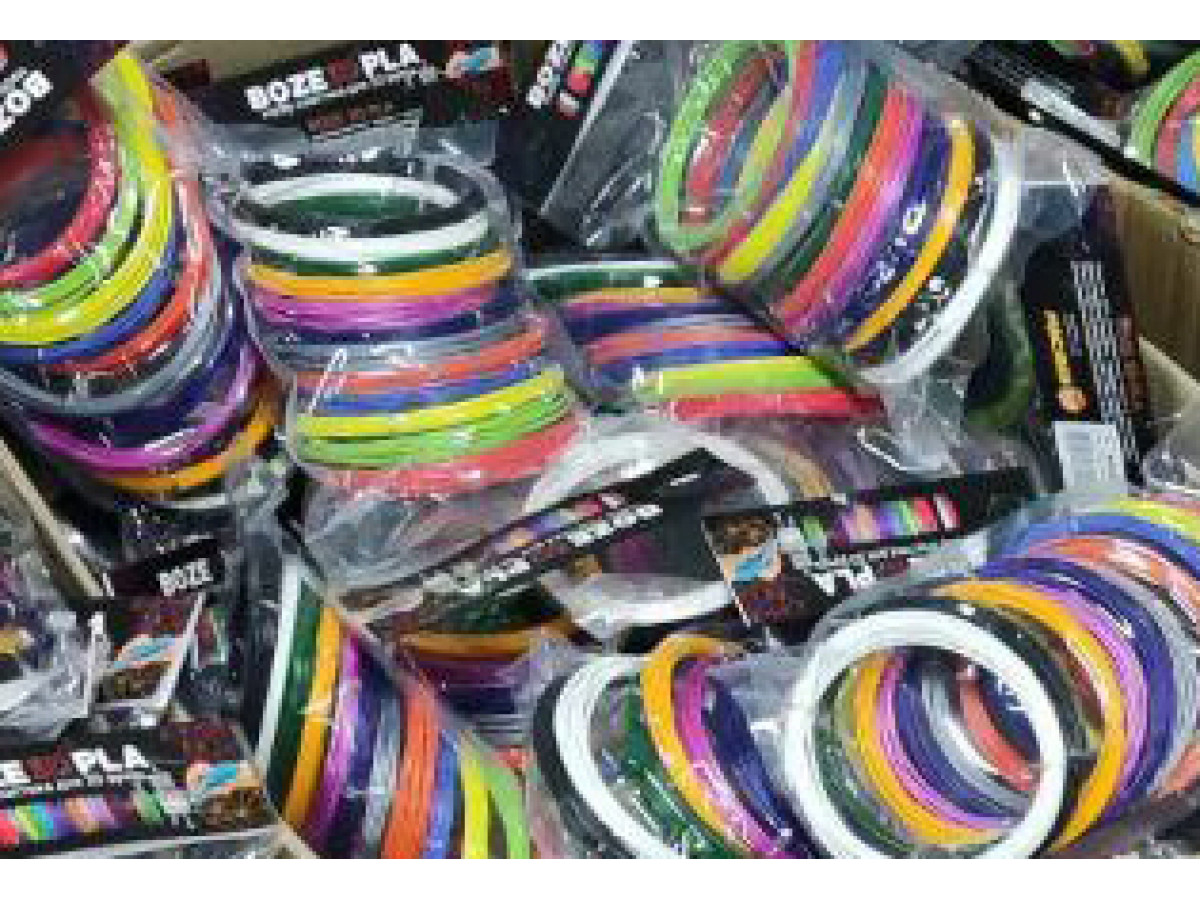
3D друк для багатьох користувачів-початківців викликає труднощі, пов'язані з низькою адгезією до холодної поверхні і розшаруванням через температурні перепади. У статті ми намагатимемося розповісти про те, як підвищити якість друку, використовуючи ABS.
ABS пластик найпопулярніший матеріал для 3D друку, так як має наступні очевидні переваги:
ДОСТУПНИЙ – завдяки відносно низькій вартості.
Розчинний - в ацетоні та етилацетаті. Застосовуються для згладжування ефекту «сходів» під час друку, розтріскування та результатів механічної постобробки. Етилацетат за тієї ж ефективності, більш безпечний у використанні. Має помірний фруктовий запах і, навіть після тривалого використання у закритому приміщенні, безпечний.
ЛЕГКО фарбує - як безпечними акриловими фарбами, так і бюджетними нітро-емалями в балончиках.
ПІДДАЄТЬСЯ МЕХАНІЧНОЇ ПОСТОБРОБКІ – різання, шліфування, фарбування.
ПЛАВИТЬСЯ У ВЕЛИКОМУ ДІАПАЗОНІ ТЕМПЕРАТУР
………………………………………………..
Але при всіх очевидних перевагах 3D друк з використанням АБС пластику для багатьох користувачів-початківців викликає труднощі, пов'язані з низькою адгезією до холодної поверхні і розшаруванням через температурні перепади.
У цій статті ми намагатимемося розповісти про те, як підвищити якість друку, використовуючи АБС пластик.
Етапи підготовки до успішного 3D друку та сам друк:
1. Модернізація та техобслуговування 3D принтера.
2. Підготовка платформи 3D-принтера.
3. Підготовка G-коду або слайсинг із потрібними параметрами друку.
4. Контроль та управління печаткою.
Етап №1 Модернізація та техобслуговування 3D принтера:
1.1. платформа.
Я рекомендую один раз модернізувати платформу вашого принтера і назавжди забути про клеї, скотчі та інші недешеві витратні матеріали, що покращують адгезію пластику АБС з платформою.
а) Платформа повинна бути нагрівається або з товстого оргскла (акрилу). АБС пластик добре прилипає до холодного акрилу, покритого легким розчином АБС пластику та етилацетату (далі «розчин АБС»). Концентрацію розчину підбирайте дослідним шляхом виходячи з матовості вашої поверхні. Але недоліком акрилу (на відміну від звичайного скла) є те, що він має меншу жорсткість і може деформуватися внаслідок нагрівання від наплавлюваного АБС пластику. Тому товщину акрилу потрібно брати не менше 6-7 мм (оптимально 10 мм) або кріпити акрил до жорсткої рами, щоб виключити деформацію. Якщо перебрати з розчином АБС то модель важко зняти з акрилової платформи.
б) Платформа зі звичайного скла повинна бути обов'язково нагрівається та матовою. Матове скло продається в будь-якій скляній лавці. Розмір скляної накладки (по довжині і ширині) бажано підбирати таким, щоб вона була не більше 5 -10 мм платформи, що нагрівається. Таким чином, скло можна буде притиснути до накладки канцелярськими прищіпками.
Для невеликої площі платформи (типу MakerBot Replicator) можна використовувати не розжарене скло 4-5 мм. Ми, наприклад, звичайне скло 260х150х4 мм, використовуємо багато місяців без проблем. Якщо у вас є можливість, використовуйте гартоване матове скло. У разі падіння воно безпечно розсипається і не так боїться перепадів температури. Але це не обов'язкова вимога.
1.2. Контакти, термопара 3D принтер.
Для якісного друку будь-яким пластиком, у т.ч. та АБС, принтер повинен утримувати на екструдері задану температуру в коридорі максимум 4-5°С. Великі перепади температури призводять до нерівномірності усадки шарів і, відповідно, до їх різної жорсткості.
Причинами великих коливань температури можуть бути:
а) погані контакти екструдера та платформи. Як не дивно, але при зникненні контакту на платформі контролер часто може неправильно утримувати температуру на екструдері.
При виявленні стрибків\провалів температури перевірте всі контакти, підтисніть їх і змастіть (злегка) олією (краще мастилом для контактів).
б) термопара погано прилягає до нагрівального блоку або розташована на протилежному боці нагрівального блоку від самого нагрівача. Це призводить до пауз реакції термопари на нагрівач. Якщо термопара не ізольована від потоків повітря навколо екструдера, вона також вимірюватиме температуру з великою похибкою. Для цього перенесіть термопару максимально близько до нагрівача і примотайте її стрічкою ФУМ до нагрівального блоку. Так як стрічка ФУМ це фторопласт (тефлон), вона має всі необхідні, в нашому випадку, переваги - висока термостійкість і низька теплопровідність. Ця процедура також зменшить тепловтрати нагрівального блоку та дозволить заощадити на електроенергії.
1.3. Обдув та камера.
На мою думку, необхідність обдування виникає тоді, коли час друку кожного шару менше 20-30 сек. Я рекомендую використовувати вертикальний сферичний (навколо сопла) обдув (мал. вище), а не передній. При такому обдуванні шари охолоджуються більш рівномірно, і деталь не перекошує через нерівномірне усадження по сторонах моделі. Вентилятор повинен мати
Написати коментар